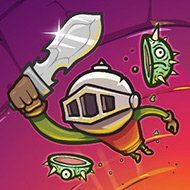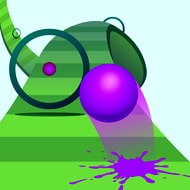








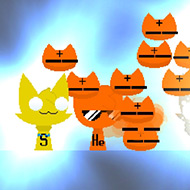




HAM: The Game looks like a joke title slapped on a simple obstacle course, the kind of thing you’d click past in a browser tab full of similar icons. It plays like something with two separate skill sets stapled together — you’ll fall off a ledge trying to line up a jump, then five minutes later be squinting at a bobber wondering why nothing’s biting. The name undersells how much it actually asks of you.
| Genre | Obstacle course and fishing hybrid |
| Core Mechanic | Platforming stages that open into fishing zones |
| Progression | Checkpoints, switches, and gear upgrades |
| Category | Multiplayer Games |
Each stage in HAM: The Game is built around a checkpoint you have to physically reach before the game trusts you not to lose progress. Miss a jump early on and you’re rewound to the last checkpoint rather than the start of the stage, which sounds forgiving until the platforming gets tighter and those checkpoints get further apart.
Later stages introduce switches that need to be triggered before a gate or bridge activates, and beginners routinely walk straight past them assuming the path forward is just further ahead. It isn’t, and backtracking to find a switch you skipped is one of the more common time sinks in the early run.
The platforming itself isn’t punishing in isolation, but stacked back to back across three stages it wears players down in a way a single obstacle course wouldn’t. That fatigue is exactly what makes the shift into fishing feel like relief rather than a chore.
Fishing in HAM: The Game isn’t a side activity bolted on for variety, it’s the payoff structure the obstacle stages are built around. You equip a rod and bait from a gear menu before casting, and the bait you choose changes your odds on the water more than most new players expect going in.
Cheap bait gets you fish, but not the ones anyone brags about landing. Advanced players hold better bait for zones that open later rather than burning it on the first pond, treating early spots as practice for timing the catch rather than a place to spend good gear.
Community chatter around HAM: The Game tends to split fishing spots into “practice ponds” and “real water,” an unofficial distinction that isn’t in the game’s text anywhere but that regular players use constantly to describe which zones are worth saving your best bait for.
Early in the game, obstacle stages and fishing zones stay mostly separate — you clear a course, then you fish, in that order. By the time you reach the third stage, the game starts blending the two, dropping fishing checkpoints in spots you can only reach by finishing a harder platforming section first.
That blend is where most difficulty complaints come from. Missing a jump doesn’t just cost you a checkpoint anymore, it costs you the fishing window you were racing toward, and players who treat the two halves of HAM: The Game as unrelated skills tend to get punished hardest right here.
It’s a fair criticism players raise often: the pacing between platforming and fishing isn’t always smooth, and sections that force both at once can feel like the game demanding precision it hasn’t taught yet.
Swapping to better bait before casting matters more than casting repeatedly with cheap bait, since bait quality affects your odds directly and regular players treat it as the main lever for better catches.
You’re returned to your last checkpoint rather than the beginning of the stage, though missing a switch along the way means that checkpoint might not have the gate open yet, forcing a short backtrack.
Yes — later ponds are gated behind harder platforming, so reaching them depends on clearing the obstacle stages first, not just having strong fishing gear.
HAM: The Game earns its odd two-part identity the longer you spend with it, turning what looks like a throwaway obstacle course into something that actually tests whether you can hold two different skills at once. The switches, the checkpoints, and the practice-pond habit regular players fall into are the real texture underneath the joke of a title.