

Multiplayer Games









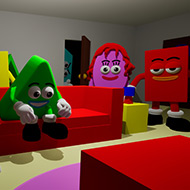











Multiplayer Games turn a simple play session into a shared game activity where decisions, timing, and communication can shape what happens next. Some experiences focus on competition, while others reward cooperation, planning, or quick game reactions. This category brings together different ways to play with other people and gives each session a social element.
What Makes Shared Play Different
The main difference is that other players can change the situation from one moment to the next. A familiar level may require a new approach when another person takes an unexpected action. Human decisions create variety, so repeated sessions can develop in different ways.
Multiplayer Games can also make small objectives more meaningful. Reaching a shared target, defending a position, completing a challenge, or beating another player creates a clear reason to stay focused. The appeal of Multiplayer Games comes from interaction and the choices made during a game session.
Competitive Matches and Rivalry
Competitive Multiplayer Games place players on opposite sides or give them individual goals. Success may depend on accuracy, timing, route selection, resource management, or the ability to read another person’s intentions. A strong result usually comes from combining several skills rather than relying on one action.
- Head-to-head contests for direct game competition.
- Team battles where coordination matters as much as individual ability.
- Score-based challenges that reward consistency.
- Round-based formats where each decision affects the next stage.
A short game can provide an immediate challenge, while a longer match gives players time to adjust their approach. Healthy competition is about adapting, learning from mistakes, and finding a better response when a similar situation appears again.
Cooperation and Common Goals
Not every Multiplayer Game is built around defeating an opponent. Cooperative experiences ask players to work toward a common objective, often dividing responsibilities between participants. One person may focus on movement, another on defense, and another on completing a secondary task.
Communication can help, but cooperation does not always require constant conversation. Players can recognize patterns, react to signals, and support each other through available actions. This makes cooperative Multiplayer Games suitable for people who prefer shared game progress over direct game rivalry.
How to Choose for Your Group
The best choice depends on who is playing and how much time the group has. A session with newcomers may work better with straightforward rules, while experienced players may prefer deeper decisions. Consider these points before starting:
- Group size: Make sure the format suits the number of participants.
- Session length: Pick a short round or longer game according to available time.
- Skill level: Simple controls can help a mixed group get started.
- Play style: Decide whether the group prefers cooperation, competition, or both.
These factors make it easier to find Multiplayer Games that keep everyone involved. A good game does not need complicated rules; it needs to give each participant a clear way to influence the result.
Speed, Timing, and Strategy
Some Multiplayer Games are built around speed. Players need to respond quickly when an opponent moves, an obstacle appears, or a round changes direction. Others give more time to think and place greater emphasis on planning. Both approaches test different abilities.
Fast sessions reward awareness and timing, while strategic game formats may favor patience and prediction. A player who understands when to act and when to wait can gain an advantage without making unnecessary moves. This balance between reaction and judgment gives each game its own rhythm.
Communication During Play
Playing with others can turn a familiar game into a shared activity. Players may exchange ideas, celebrate a successful move, or discuss what went wrong after a round. Even brief communication can improve coordination when everyone understands the same game objective.
Multiplayer Games also encourage players to pay attention to the people around them. Clear communication can reduce confusion, especially when several actions happen at once. Simple signals, short instructions, and awareness of teammates are often more useful than lengthy explanations during active play.
Learning From Each Session
Improvement in Multiplayer Games usually comes from noticing patterns rather than repeating the same actions. After a loss, consider where the situation changed and whether another choice would have helped. After a win, identify which decisions produced the strongest result.
This approach makes each session a source of information. The Choicer Voicer gives players a place to explore different games and discover which styles fit their preferred way of playing. Trying several formats can reveal whether you enjoy quick reactions, long-term planning, teamwork, or direct competition.
Keeping Matches Enjoyable
A good multiplayer session works best when everyone understands basic expectations. Taking turns when necessary, avoiding disruptive behavior, and respecting the pace of the group can make competition more enjoyable. These habits matter whether players know each other well or are simply sharing the same activity.
- Keep the focus on the current game objective.
- Give teammates room to make their own decisions.
- Accept mistakes as part of learning.
- Adjust the difficulty or format when the group needs a change.
- Allow different approaches instead of expecting identical play.
Formats for Different Moods
There is no single formula for Multiplayer Games. Some players want a tense contest where every move matters, while others prefer relaxed cooperation with a common goal. Party-style formats create quick bursts of activity, whereas strategic sessions may reward careful preparation. Puzzle-focused experiences can emphasize communication, while action formats can place more weight on timing.
Because the game category covers several structures, players can switch between them without abandoning the social side of play. A competitive session can be followed by a cooperative game, or a fast game can be replaced with something that gives the group more time to think. Variety helps keep shared play from becoming predictable.
Finding Your Preferred Style
Exploring different Multiplayer Games is a practical way to discover what makes shared play enjoyable. You may prefer direct rivalry, cooperative tasks, strategic game planning, or quick rounds that demand immediate reactions. Trying several formats also helps you understand which rules and objectives work best for your group.
Multiplayer Games are strongest when interaction genuinely affects the experience. Whether players compete for a high score, solve a problem together, or adapt to changing decisions, the shared element gives each session its own direction. Choosing a format that matches the group can make every round easier to follow and more rewarding to complete.