








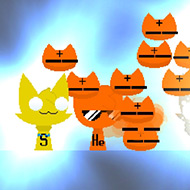



Every number gets replaced by a cat’s face in Element Cattos, and that swap changes more about the puzzle-solving experience than it sounds like it should — scanning a row for a repeated whisker pattern pulls on a different part of your attention than scanning for a repeated digit ever did.
Underneath the cat characters, Element Cattos runs on the same logic classic sudoku always has: each row, each column, and each smaller block within the grid needs every cat to appear exactly once, with no repeats anywhere along those lines. The puzzle-solving skill transfers directly from traditional sudoku — process of elimination, scanning for the one open cell a given cat has to fill — but the kawaii cat art changes how that scanning actually feels in the moment.
Players used to reading numeric sudoku sometimes need a short adjustment period, since recognizing a repeated cat face by ear coloring or expression is a slightly different visual task than recognizing a repeated digit. Once that adjustment happens, the underlying logic clicks the same way it always has.
The cozier presentation is very much the point rather than a coat of paint over a harder game underneath. Element Cattos leans into a relaxed, low-pressure pace rather than a timer-driven challenge, which puts it closer to a wind-down puzzle than a competitive brain-training app.
The most common early mistake is the same one that trips up new sudoku players in any format: guessing a cat’s placement based on a hunch rather than actually confirming that every other option for that cell has been eliminated. A guess that happens to be right teaches the wrong lesson, since it skips the elimination process that solving a harder grid later actually depends on.
Players who stick with cat-based sudoku formats tend to develop the same habits regular sudoku rewards — working the most constrained row or block first, rather than jumping around the grid looking for an easy win. That discipline matters more here than raw pattern recognition, since a cluttered scan of cute faces is easier to misread than a scan of plain digits.
Element Cattos doesn’t reinvent what a logic grid asks of a player — it just asks you to do it while a grid full of cats stares back, and that gentler framing is exactly why a puzzle format this old still finds new players willing to sit with one more grid before closing the tab.