













The vending machine sitting near the platform entrance in Subway Horror: Chapter 2 doesn’t sell snacks. It sells the tools a player actually needs to survive the station, and that single detail throws off anyone expecting a straight jump-scare corridor with nothing to think about along the way.
| Genre | Puzzle horror |
| Setting | An eerie, abandoned subway station |
| Core mechanic | Buying items from vending machines and gathering characters to open doors |
| Format | Browser-based, second chapter in a subway-set horror series |
Coins scattered around the station go straight into the vending machine, and what comes out matters more than the coin count itself. A phone and a pair of headphones are among the items available, and both feed directly into later puzzles rather than existing as flavor items. A player who skips the machine early usually hits a wall a few rooms later with no obvious way forward.
Prices at the machine are not identical across items, so a player who spends every coin on the first thing available risks being short when a specific item turns out to be the one actually needed.
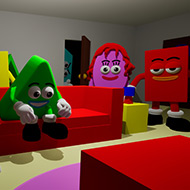
Progress through the station depends on collecting a set number of station-dwelling characters before certain doors will open. This is not a fight-your-way-through mechanic; it is closer to a scavenger hunt layered on top of a horror atmosphere, where each character found nudges the player closer to the next unlocked area.
Missing even one required character stalls progress entirely, which is a source of frustration players mention often, since nothing on screen explicitly counts down how many are still needed.
Between puzzle beats, Subway Horror: Chapter 2 leans on quiet, empty platform shots and distant sound cues rather than constant jump scares. That pacing choice is deliberate: the dread comes from not knowing what a distant sound means yet, not from a monster appearing on cue every few minutes.
Headphones are recommended for a reason beyond the in-game item of the same name; a lot of the tension relies on directional audio that a flat speaker setup flattens out.
Chapter Two keeps the same vending-machine-and-character logic established in the first entry but expands the station layout considerably, adding more rooms and a longer character list to track down before the doors near the end will open. Players coming in fresh, without the first chapter, can still follow the puzzle logic, though returning players will notice the pacing assumes some familiarity with how the machine and door system work together.
The most common sticking point isn’t a puzzle at all, it’s simply not realizing a character is still missing from an already-explored room. Some players find this style of hidden-object pacing tense and rewarding, while others find backtracking through the same rooms tedious once a run drags past the halfway point.
The machine offers several items using collected coins, including a phone and a set of headphones, both of which unlock progress in later puzzle sections rather than serving as one-off collectibles.
The exact count varies by door, but every locked door in the station requires gathering a specific set of characters first, and nothing in the interface explicitly counts remaining characters, which is why careful searching matters.
Yes, it continues directly from the same station-based premise and mechanics established in the first entry, expanding the map and character list rather than resetting the concept.
Subway Horror: Chapter 2 rewards patience with its vending machine economy and its character hunt far more than quick reflexes, and by the time the last locked door finally opens, most of the tension has come from silence rather than anything that actually jumped out.