









You count fish bones by torchlight while the tally board on your shelter wall says the same thing it said an hour ago: the Island Inhabitant returns in two days, and your base points are too low to survive another visit without repairs. In To Eat a God, that counting is where new players stop treating the island like scenery and start treating it like a clock.
| Genre | Survival strategy with day-by-day resource management |
| Setting | The Isle of Memories |
| Objective | Outlast thirty days without your base points falling to zero |
| Playable Characters | Kai or Mishima |
To Eat a God drops twelve people onto a stretch of coastline with no memory of how they got there, and a voice calling itself the Island Master, Sue Miley, telling them they will not leave until they survive thirty days. The opening hours feel calm: forage the shoreline, gather timber and cloth, patch a shelter that has to hold under repeated pressure, not just look finished.
New players treat those days as sightseeing, then get caught short when the first attack lands and the shelter is cosmetic, not structural.
Every five days, an Island Inhabitant attacks the base directly, and if accumulated base points hit zero during that assault, the run ends. By the second attack the difficulty curve is obvious: early raids forgive sloppy prep, later ones punish anyone who spent points on cosmetic upgrades instead of structural.
Players call this cycle “raid nights” and swap notes on which upgrades hold past the third and which just look sturdy.
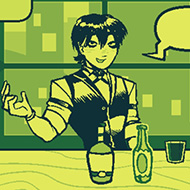
A trader named Tia Safalin first appears on day three, then returns four more times before day thirty, prices climbing each visit. Reading her inventory correctly is an advanced skill in To Eat a God, since overspending on comfort items early leaves nothing for a late visit offering something needed before a raid.
Experienced players treat her early stops as scouting, not shopping. A common complaint: her pricing curve punishes a first run hard, since nobody knows which items matter until they have lost a base underestimating an attack.
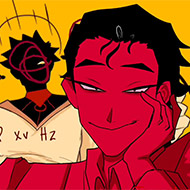
Two other castaways, Touko and Jin, appear over your stay, and how you talk to them shapes which ending you reach. This is where To Eat a God stops feeling like a survival sim and starts feeling like a character drama wearing survival mechanics as a skin.
New players treat these talks as optional next to the countdown, then find skipped interactions quietly lock outcomes shut. Completionists replay early days to test responses; players chasing one ending treat conversation as formality.
Choosing between Kai and Mishima changes more than a portrait; the game never spells out which path suits which style. Cautious, defense-first players pick whichever character makes shelter reinforcement easier, while players chasing a specific ending pick based on dialogue options that character opens with Touko and Jin.
Players who just want credits to roll once underrate this choice, then find their playstyle fighting the character picked.
To Eat a God does not funnel every survivor toward one outcome. Results range from a fragile reunion to a collapse that leaves the island worse than it started:
Longtime players note how differently the same ending text reads depending on whether Touko and Jin trusted you, since that relationship is tracked the whole time without a number on screen.
A raid night near zero base points can end the run outright, which is why players treat the days before each five-day mark as a repair checklist first.
Yes. Choices with both castaways are tracked across the full thirty days, and the final outcome reflects whether that trust was built or ignored, without an on-screen counter.
Her day three stop is best used to scout inventory rather than spend heavily, since later visits carry items more relevant to the harder raid nights ahead.
To Eat a God rewards the player who treats a torchlit tally board as more urgent than it looks, because by the time Sue Miley’s thirty days are up, the run that mattered was the one spent reading Tia Safalin’s prices and keeping Touko and Jin close instead of chasing daylight.